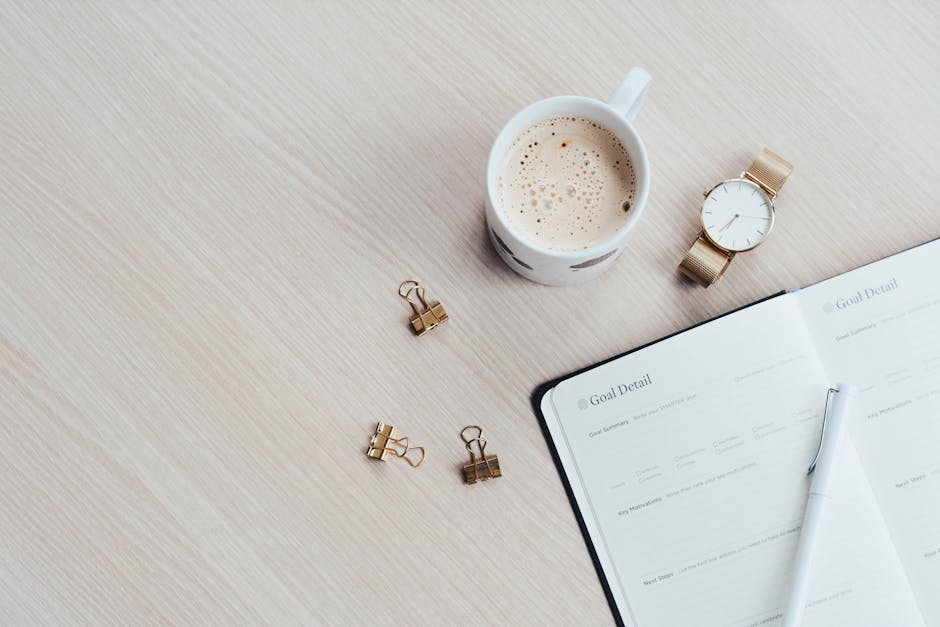
As the clock ticks toward the evening rush, I find myself at the entryway chair, surrounded by a chaotic mix of bags and scattered items. The planner sits unopened on the table, a silent witness to my intentions, while the dirty dishes in the kitchen create a barrier that keeps the counter unavailable for any last-minute organization. I sift through the contents of my bag, trying to remember what I need for the next day, but the jumble of forgotten tasks and items makes it hard to focus. Each evening feels like a triage, and the small habit of preparing the night before often slips through the cracks.
In this moment, I realize that the sequence of my actions matters more than I thought. The keys should be the first thing I grab, but instead, they often end up buried under a pile of papers or forgotten entirely. If I could just establish a consistent order—like checking my planner before I leave the room—I might avoid that frantic search later. Yet, with so many steps hidden until the last minute, the memory tricks I rely on for daily use seem to falter when I need them most. It's a delicate balance between managing the evening routine and ensuring that I’m not leaving behind essential items for the next day.
The First Step That Gets Skipped
As I stand by the entryway chair, the evening light casts a warm glow over the cluttered space. My bag lies open, its contents spilling out like a forgotten puzzle. I reach for the planner resting on the table, its cover closed and untouched, a silent reminder of the tasks I need to tackle. In this moment, I realize that the first step in my routine—checking that planner—often gets overlooked amidst the chaos of dinner and cleanup.
With dirty dishes still piled high in the sink, the counter feels crowded and uninviting, making it hard to focus on packing what I need for the next day. I know I should grab my keys first, but they’re buried under a stack of mail, and the thought of searching for them sends a wave of frustration through me. Instead of a smooth transition into my evening reset, I’m left scrambling, and the memory tricks I usually rely on begin to slip away.
To regain control, I decide to establish a small habit: before I leave the room, I’ll open my planner and jot down the top three tasks for tomorrow. This simple act not only clarifies my priorities but also serves as a visual cue to check for any essential items I might need. As I pull out my notebook and pen, I notice the keys peeking out from beneath the papers. If I can just make this a consistent part of my routine, I might avoid that last-minute panic of forgetting something crucial.
Yet, with each evening’s demands, the sequence of my actions often shifts, leaving me to wonder if I’ll remember to check that planner next time. The interplay of these small moments—resetting my bag, checking off tasks, and ensuring I have my keys—shapes my weekday routine in ways I often don’t appreciate until it’s too late.
When the Routine Begins to Slip
This same friction shows up again in Everyday Life In The, especially when the day tightens unexpectedly.
As I stand in the entryway, the chaos of dirty dishes on the counter looms large, blocking my path to a smooth departure. The sight of the unwashed plates makes the kitchen feel like a trap, pulling my attention away from the bag I’m trying to pack. I glance at the clock and realize I’m running out of time, yet I can’t shake the nagging feeling that my bag isn’t fully ready. The planner remains closed on the table, a silent reminder of the tasks I need to jot down before I leave.
In this moment, I make a quick decision to shift my sequence. I grab my keys and place them on the entryway chair, a designated spot that usually keeps them visible. Then, I open my planner and quickly jot down the top three tasks for tomorrow. This action not only clarifies my priorities but also helps me remember to check for the lunch box I need to pack. However, as I turn back to the bag, I realize I haven’t checked the pockets for the water bottle. With the clock ticking, I feel the weight of those hidden steps—each one a potential slip in my routine. The dirty dishes, while a minor detail, have created a ripple effect that complicates my daily reset. I’m left wondering if I’ll remember to check the pockets next time, as the evening’s demands threaten to overshadow my carefully laid plans.
Why the Evening Reset Fails
A slightly different version of this problem appears in Daily Routines Real Life, where the sequence changes but the hidden drag feels familiar.
Evening routines often unravel due to a series of hidden steps that pile up when distractions creep in. As I stand in my entryway, the bag I need to pack sits half-open on the chair, but my attention is snagged by the notifications buzzing on my phone. Each ping pulls me away from my tasks, making it easy to overlook the simple act of checking the bag before heading out. The dirty dishes in the sink create a barrier, both physical and mental, making it hard to focus on the reset I intended to accomplish.
- Check the bag for essentials like the lunch box and water bottle.
- Prioritize tasks in the planner to guide the next day’s focus.
- Clear distractions by silencing notifications during the evening reset.
At this moment, I realize I need to shift my focus back to the bag. I grab my keys and place them firmly on the entryway chair, signaling that I’m ready to leave. Before I dive into the chaos of the evening, I make a quick check of the bag’s pockets. This small adjustment is crucial; it helps me avoid the last-minute scramble that often derails my plans. Yet, the phone continues to buzz, reminding me of messages I can’t ignore, leaving me to wonder if I’ll remember everything I need to pack next time. The friction of these distractions is a constant reminder that good intentions alone aren’t enough to keep my evening routine intact. A Better Order for the Same Five Minutes Before stepping out the door, the entryway chair is cluttered with bags, jackets, and forgotten items. Each evening, I find myself juggling too many tasks at once, often leading to chaos. When I start by packing my bag first, it becomes a game changer. I set a timer for five minutes and focus solely on ensuring I have everything I need—lunch box, water bottle, and any homework that needs to be turned in. This small adjustment shifts my mindset from multitasking to prioritizing the essentials.
After I’ve packed the bag, I pull out my planner from the side pocket of my backpack. The planner often sits closed on the table, neglected in the rush of the evening. I flip it open to check my to-do list for the next day. This quick reference helps me avoid forgetting important tasks that might otherwise slip my mind. By doing this right after packing, I create a natural flow in my routine, allowing me to visualize what’s ahead while also ensuring I’m not leaving anything behind.
However, the friction of dirty dishes on the counter still looms large, making the space feel chaotic. As I glance back at the sink, I realize that I need to make a conscious decision: I can either tackle those dishes now or let them wait until after I’ve reset my bag. Choosing to leave them for later, I remind myself to do a quick check of the bag’s pockets before heading out. This sequence change—packing first, then planning—helps me maintain focus and reduces the last-minute scramble that often derails my evening routine.
What Gets Easier in the Next Time Block
As I sit on the entryway chair, I can see the bag I packed earlier, but the planner remains closed on the table, a missed opportunity for a memory boost. I often forget to check it, which leads to a scramble later in the evening when I realize I’ve overlooked an important task. This time, I decide to open the planner first, flipping through the pages to remind myself of what’s coming up tomorrow. It’s a small habit, but it lays the groundwork for a smoother transition into the next day.
With the planner now open, I can quickly jot down any last-minute notes or reminders. I glance over at the dirty dishes piled in the sink, a reminder of the chaos that can easily derail my focus. Instead of letting that clutter distract me, I take a moment to mentally note that I’ll tackle them after I finish resetting my bag. This shift in sequence—checking the planner before leaving the room—creates a more organized exit and helps me visualize my evening routine without the last-minute panic.
Before heading out, I make a quick check of the bag’s pockets, ensuring I have everything I need for the next day. This simple adjustment not only reinforces my memory but also minimizes the chances of forgetting something crucial. As I grab my keys, I realize that by prioritizing this small habit, I’m setting myself up for a more effective next time block, even if the dishes remain untouched for now.
As I shift my focus back to the entryway chair, I realize that the planner, still closed on the table, is a critical piece of my evening routine that often gets overlooked. This simple act of opening it before I leave the room can transform my memory landscape for the next day. I’ve noticed that when I skip this step, the chances of forgetting something important—like a school project or a meeting—skyrocket. The clutter on the counter, with dirty dishes piled high, serves as a constant reminder of how easily distractions can derail my focus.
Before stepping out, I take a moment to check the bag’s pockets, ensuring I have my notebook, keys, and any other essentials. This quick check not only solidifies my memory but also sets a clear intention for the evening ahead. By prioritizing this small habit of checking my planner and bag, I’m creating a more effective structure for my weekday routine, even if the dishes remain in the sink for now. It’s these small sequence shifts that can make all the difference on a crowded day.